Winter can be rough on your home’s plumbing, but your water heater often takes the biggest hit. When temperatures drop, your system has to work harder just to deliver the hot showers, clean dishes, and cozy comfort you expect. At Cheeky, we see this every year, especially for homeowners who rely on older units. If you’ve been searching for reliable plumbing in Cumming, you’re not alone—cold weather is when water heater problems love to show up. Cold-weather water heater issues are among the most common service calls we receive during the winter months, and many could have been prevented with earlier planning or upgrades.
Why Cold Weather Pushes Your Water Heater to Its Limits
As outdoor temperatures fall, so does the temperature of the groundwater entering your home. Colder water takes more energy and time to heat, which means your water heater runs longer cycles just to reach the same set temperature. In winter, families also use more hot water: longer showers, extra laundry, and higher demand throughout the day.
This combination is especially tough on older systems. Years of wear and tear make it harder for aging components to keep up. Heating elements, burners, and tanks that were already nearing the end of their lifespan can suddenly struggle, leading to inconsistent temperatures, lukewarm water, or even complete failure. When a unit is forced to run constantly, internal parts wear down faster, increasing the risk of breakdowns during the coldest days of the year.
Forsyth County’s Winter Reality: Local Factors Matter
Here in Forsyth County, cold snaps can be sneaky. Even when daytime temperatures seem mild, overnight lows can significantly chill well water. Homes that rely on well water often receive even colder water than municipal systems, which leads to longer heating times and reduced efficiency.
We see it all the time: a water heater that “worked fine last year” suddenly can’t keep up when winter arrives. That’s not bad luck—it’s physics, and it’s common in our local climate.
Signs Your Water Heater Is Struggling
Before your system gives up completely, it usually sends a few warning signs:
- Hot water runs out faster than it used to
- Water takes longer to heat
- Strange noises like popping or rumbling
- Rising energy bills during the winter months
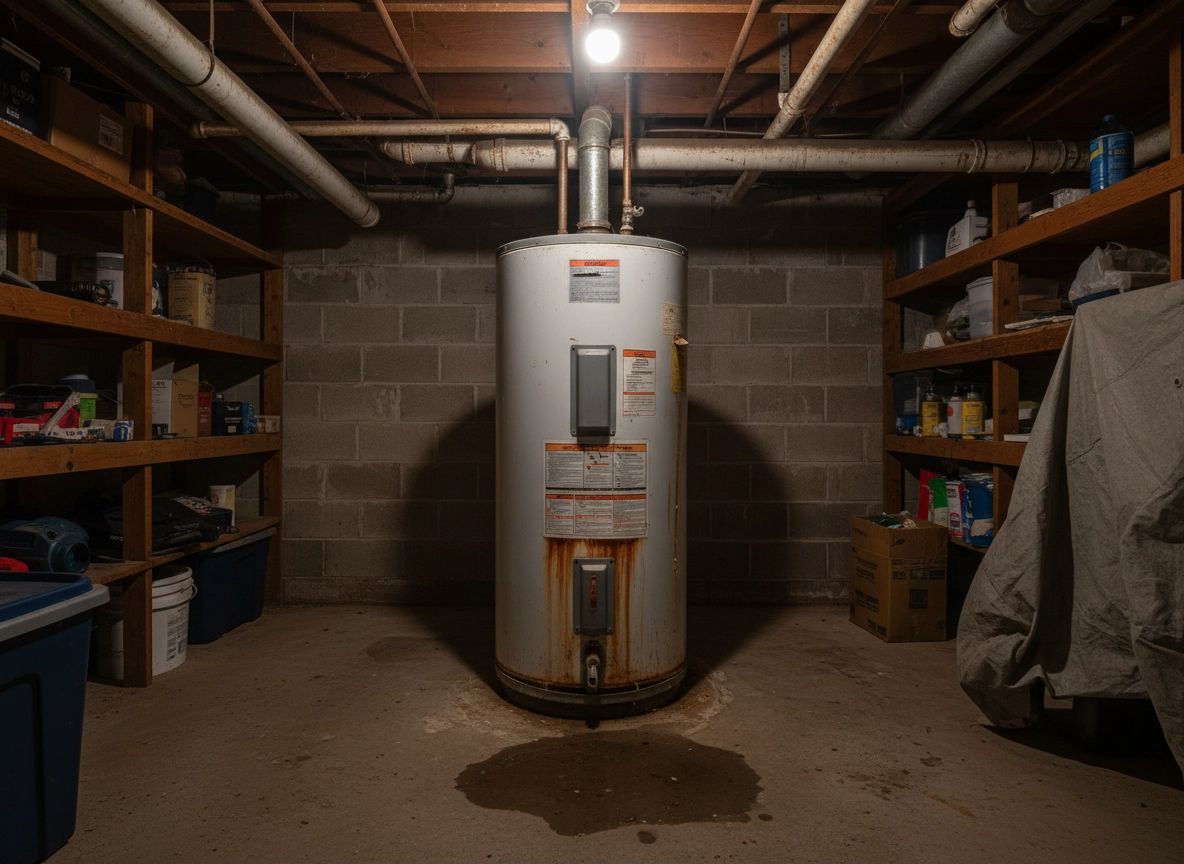
- Rust-colored water or visible leaks around the tank
If these sound familiar, it’s time to take action.
Repair or Replace: How to Know What Makes Sense
Repairs can be a smart choice for newer units with minor issues. But replacement often makes more sense when:
- Your water heater is 10–12 years old or older
- Repairs are becoming frequent or costly
- Efficiency has dropped noticeably
- Your household’s hot water needs have increased
A new, energy-efficient water heater can handle colder groundwater better, recover faster, and save you money on utility bills, especially during Forsyth County winters.
Cheeky’s Straight Talk on Winter Water Heaters
We believe in honest advice and long-term solutions. Whether you need a quick repair or it’s time for a full water heater replacement, Cheeky is here to help you stay comfortable all winter long without surprises.

