Throughout the lifespan of your air conditioner, there are a variety of issues that can befall it. Most of these issues are a result of good ol’ fashioned wear and tear, and some other issues are caused by a lack of maintenance, manufacturer defect, or some other type of system damage. But considering that you want your air conditioner to work reliably as possible through our warm springs and stifling summers, it makes sense that you want to take care of these needs as effectively as possible.
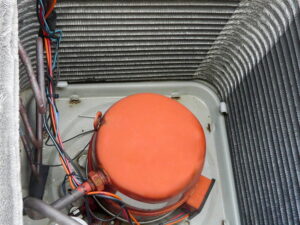
One potential repair need that’s particularly unpleasant to face is a broken AC compressor. With most cooling system parts, replacement of that part is typically the best choice. But if you have a broken down compressor, the questions turns into whether you should replace just the component, or the entire cooling system. This is because the compressor is actually the most expensive component in your air conditioner. Learn how to recognize the early signs that your AC needs help before it leads to major failures like compressor breakdown. Read on to learn more!
Considering the Expense of Your Compressor
This is the main reason we will usually recommend looking at your air conditioning system as a whole—the compressor is actually the most expensive part in it to replace.
Before you make a decision though, it bears mentioning that whatever your air conditioning repair needs are, you should talk to a qualified professional to get an honest and reliable assessment of what’s actually going on. The last thing you need is a misdiagnosed repair need, after all. When you work with us, there’s no need to worry.
Compressors, which are tasked with compressing the refrigerant within the air conditioner, actually do come with a lot of misdiagnoses. However, we’ll assume for the sake of brevity that you already know that you’re dealing with a compressor problem. Your first step then, should be to check and see if your system is still under warranty. If it is, then you will not have to pay for a compressor replacement or air conditioner repair, as long as you kept up with professional maintenance and haven’t done any repairs on your own to void the warranty.
It bears mentioning as well that the likelihood of a compressor breaking down while the system is still under warranty is relatively uncommon. So, if you do not have warranty coverage, it’s almost certainly a good idea to move forward with a full air conditioner replacement.
Of course, there are a number of factors to consider here. You’ll want to think about your budget, not only now for the installation but in the future for what you will pay for an inefficiently operating AC system versus a new, high-efficiency one.
You’ll also want to think about what it means to just replace the compressor, which means replacing the entire outdoor unit of your air conditioner. The indoor and outdoor units are designed to work together. So, when you replace one for a newer unit while keeping the other in place, you could run into efficiency problems and maybe even a full air conditioner breakdown. Today’s high-efficiency air conditioners offer advanced features that improve performance and energy savings—making a full system upgrade a more worthwhile investment.
“How Do I Even Know If My Compressor Is Bad?”
That’s a great question! There are a few pretty apparent signs to watch out for. For example, you might not be getting enough cool air coming through your vents. Your air conditioner functions correctly when the refrigerant is successfully flowing into the evaporator coils to be compressed by the compressor, and this is when the air is chilled and returned to your home. Use these basic AC troubleshooting steps to narrow down the issue before deciding on a costly replacement.
A lack of cooled air could mean you have a refrigerant leak, and that is absolutely something our team will check for! But another possibility is that your compressor has failed.
Another sign of compressor failure is strange noises coming from the outside unit. This can include hissing, or humming. Pretty much anything you hear outside of the normal operation of your AC makes it worth giving us a call.
Frequently Asked Questions
Question: How do I know if my AC compressor needs repair or replacement?
Answer: Signs of a failing AC compressor can include warm air from vents, loud noises, hard starting, reduced cooling performance, or frequent system shutdowns. A professional HVAC inspection can determine whether the compressor can be repaired or if replacing the unit is the more cost-effective long-term solution.
Question: What causes an air conditioning compressor to fail?
Answer: AC compressors can fail because of electrical issues, refrigerant problems, dirty coils, overheating, or lack of regular maintenance. Age and excessive wear can also reduce performance over time. Routine servicing helps keep the system running efficiently and may prevent major compressor damage.
Question: Is it better to repair or replace a broken AC compressor?
Answer: The decision often depends on the age of the air conditioner, repair costs, warranty coverage, and overall system condition. If the system is older or requires frequent repairs, replacing the unit may provide better efficiency, reliability, and long-term savings compared to compressor replacement alone.
Question: Can I continue running my air conditioner with a damaged compressor?
Answer: Running an air conditioner with a damaged compressor can place additional strain on the system and potentially lead to more expensive repairs. If you notice unusual sounds, poor cooling, or repeated tripped breakers, it is best to turn the system off and schedule professional service promptly.
Question: How can I help prevent AC compressor problems in the future?
Answer: Preventive maintenance is one of the best ways to protect an AC compressor. Regular tune-ups, changing air filters, cleaning coils, and checking refrigerant levels help improve system performance and reduce unnecessary strain that can shorten the compressor’s lifespan.
For quality air conditioning service in Duluth, GA, contact DC Heating, Cooling & Plumbing today!

