The weather is really warming up here in Georgia! While you’re enjoying yourself in the sun, don’t forget that there are things you should do to prepare for summer. And top of your list should be making sure your air conditioner is ready to handle another long, hot stretch of working very hard. If you’re not sure your AC is up for keeping you cool all summer, it might be time for a new one. Here’s why choosing the right AC size during installation can make all the difference in long-term performance and efficiency. Here are three signs that it’s time for air conditioning replacement in Cumming, GA and to consider the costs associated with hvac installation. Additionally, HVAC contractors in Georgia are required by law to hold a valid state Conditioned Air License, ensuring professional and compliant service.
When planning for a new AC, it’s essential to understand the central AC installation cost. The average costs can vary based on factors such as system type, home size, and location. For instance, the average cost to install a central air conditioning unit is about $6,000, with a range from $5,000 to $14,000. Financing options are available to help make a new installation more affordable for homeowners. Central AC systems are crucial for home climate control, and understanding the costs of installation can help in making informed decisions. Consulting with local experts can help ensure proper setup and potential cost savings through expert recommendations.
Top Signs You Need a New Air Conditioning System
- Your system is 12–15 years old and showing its age with inconsistent cooling or heating.
- You’re facing frequent, costly repairs, which often signal it’s more economical to replace than fix.
- There are comfort issues like uneven temperatures, rising energy bills, or weak airflow throughout the home.
How to Tell When Your AC System Is Failing
Air conditioning is a crucial component of modern life, providing a comfortable and healthy indoor environment, especially during the hot summer months. An air conditioning system, also known as an AC system, is designed to cool and dehumidify the air in a building, making it an essential part of any home or commercial establishment. The primary function of an air conditioner is to transfer heat from the indoor air to the outdoor air, thereby cooling the indoor space. This process involves the use of refrigerant lines, which play a vital role in the air conditioning process.
Central air conditioning units are a popular choice for many homeowners, offering efficient and consistent cooling throughout the entire home. Selecting the best central air conditioner and central air unit involves considering factors such as size, brand, and efficiency ratings. For those looking for more flexible options, ductless mini splits provide targeted cooling without the need for extensive ductwork. Another key component of an air conditioning system is the evaporator coil, which absorbs heat from the indoor air, allowing the system to deliver cool, refreshing air. Additionally, the indoor evaporator coil must be correctly connected to ensure optimal performance. A split AC system has separate indoor and outdoor units, including the outdoor condenser unit, which houses the compressor and is crucial for the overall performance and longevity of the air conditioning unit. Understanding four AC sounds to avoid can help you appreciate the importance of a well-maintained air conditioning system in ensuring your indoor comfort.
When AC Replacement Makes More Sense Than Repairs
Air conditioning installation is a complex process that requires careful planning and execution to ensure optimal cooling performance and energy efficiency. A new air conditioning system can provide numerous benefits, including improved indoor air quality, increased comfort, and reduced energy bills. When considering a new air conditioning installation, it’s essential to choose the right AC unit and hire a professional AC installer to ensure a stress-free experience. Professional installation is vital for ensuring system performance, safety compliance, and the longevity of your investment. Experienced technicians are essential for handling the assessment, installation, and setup of your new system, guaranteeing quality service and customer satisfaction.
The installation process involves several key steps, starting with a thorough assessment of your home’s cooling needs. This includes evaluating the size of your home, the number of rooms, and the existing ductwork. A professional installer will also consider factors such as insulation, windows, and doors to determine the best type of AC system for your home. Whether you opt for a central air conditioning system or a ductless mini split, proper installation is crucial to achieving optimal cooling performance and energy efficiency. System testing during HVAC installation includes verifying proper operation by checking airflow, refrigerant charge levels, and electrical performance. By working with a qualified AC installer, you can ensure that your new air conditioning system is installed correctly and provides reliable, efficient cooling for years to come.
Is Your AC Too Old to Run Efficiently?
As long as you have professional maintenance performed every year, your air conditioner should keep working effectively and efficiently for at least ten years. It might be able to keep you cool and comfortable for as many as fifteen years. The typical lifespan of an air conditioner is 12 to 15 years with correct sizing and maintenance. HVAC systems, including air conditioners, can have varying lifespans depending on their type and maintenance. When budgeting for HVAC services, it’s important to consider all components, including the condensate pump, which can impact the overall expenses associated with upgrading or maintaining air conditioning systems. Here are some additional age-related factors to keep in mind while you’re trying to estimate how much more life your air conditioner has in it. Replacing components like the drain pan is also a necessary expense to maintain overall system efficiency and functionality.
- Repair Needs: While your air conditioner might keep operating smoothly until it quickly and quietly kicks the bucket, it’s more likely that it will have increased repair needs toward the end of its life.
- Refrigerant: In 2010, AC manufacturers transitioned completely away from the refrigerant known as R22. All air conditioners manufactured after that date use a safer, more environmentally-friendly refrigerant called R410A. This is important to consider because damaged or worn coils and refrigerant leaks are more likely to happen in older air conditioners. If this happens to an air conditioner that uses R22, it cannot be repaired, because there is no R22 to refill it with.
- Maintenance: If you haven’t been as diligent as you should with your AC maintenance, and your air conditioner has spent some of its years neglected, it has aged faster than it otherwise would have. If you’ve never had maintenance, your air conditioner’s lifespan could be as little as five to seven years. Homes with existing ductwork can also impact the efficiency and longevity of your system, as issues in the ductwork can affect overall performance.
Frequent AC Repairs Could Mean It’s Time for Replacement
There are two things to look at when it comes to the repair needs of an air conditioner. The first is the cost of a repair that the unit currently needs. It’s recommended that you multiply the cost of the repair by the age of the air conditioner, and if your result is $5,000 or higher, it’s more sensible to replace the unit. For example, a three-year-old AC unit in need of a thousand-dollar repair is worth repairing, but a twelve-year-old unit in need of a five-hundred-dollar repair is not. System testing is also crucial during repair evaluation to ensure the unit’s functionality and cooling efficiency. If your AC is not producing cold air or is blowing warm air, it may be a sign that something is wrong and needs to be fixed.
The other factor here is frequency of repairs. As we mentioned, aging air conditioners typically need more-frequent repairs. If you’re already needing to call a technician to check on your air conditioner more than once a year, you can only expect that frequency to increase, and those costs add up, even if each one is minimal. Unusual noises or strange odors coming from the unit can also indicate underlying issues that require professional attention. Knowing when replacement is the better investment can help you avoid pouring money into a system that’s past its prime. When replacing an existing AC, it’s important to carefully remove the old unit and consider upgrading related components like thermostats. Proper airflow should also be assessed to ensure efficient cooling and air circulation.
Rising Energy Bills and Poor Cooling Performance
Energy efficiency is a critical aspect of any air conditioning system, as it directly impacts the overall comfort and cost of operating the system. A high-efficiency air conditioner can provide significant savings on energy bills while maintaining a comfortable indoor temperature by ensuring proper distribution of cool air. The Seasonal Energy Efficiency Ratio (SEER) is a measure of an air conditioner’s efficiency, with higher ratings indicating better performance. New AC units are 20% to 40% more energy-efficient than models more than 10 years old. Additionally, the refrigerant absorbs heat from the indoor air, which is then expelled outside, allowing the cooled air to be distributed through the home’s ductwork and vented into different rooms. When selecting a new air conditioning system, it is essential to consider factors such as energy efficiency, indoor air quality, and proper sizing to ensure optimal cooling performance.
Regular maintenance is also crucial for maintaining the system’s efficiency and extending its lifespan. This includes tasks such as cleaning air filters and inspecting refrigerant lines to ensure they are in good condition. HVAC maintenance can lead to lower monthly energy bills by ensuring the system operates at peak efficiency. By choosing an energy-efficient air conditioner and following proper maintenance procedures, homeowners can enjoy a comfortable and healthy indoor environment while minimizing their environmental impact. Investing in an energy-efficient system not only enhances your home comfort but also ensures optimal airflow, contributing to long-term savings and sustainability.
Why Proper AC Sizing Matters for Your Home
A load calculation is a critical step in the air conditioning installation process, as it determines the appropriate size of the air conditioning unit required to cool a particular space. This calculation takes into account various factors, including the building’s insulation, window size and orientation, and occupancy levels. A Manual J load calculation is a widely accepted method used to determine the cooling load of a building, ensuring that the HVAC system is properly sized to meet the space’s cooling needs.
Proper sizing is essential to prevent overheating, reduce energy consumption, and minimize the risk of system failure. By performing a thorough load calculation, HVAC professionals can recommend the most suitable air conditioning system for a particular building, ensuring optimal cooling performance, energy efficiency, and indoor air quality. Correctly sized air conditioners operate more efficiently and have a longer lifespan. This calculation is also essential for determining the required electrical wiring, condenser unit, and evaporator coil size, making it a crucial step in the air conditioning installation process. A qualified professional will perform heat load calculations known as a Manual J calculation to determine the correctly sized HVAC system. Ensuring your system is correctly sized and installed will provide you with reliable and efficient cooling for years to come. Each installation project is approached with careful attention to detail to ensure customer satisfaction and long-term system reliability. Understanding the installation process of a new system, including any necessary ductwork modifications, can help homeowners prepare for and ensure effective operation of their upgraded cooling solution.
Understanding the Main Parts of Your AC System
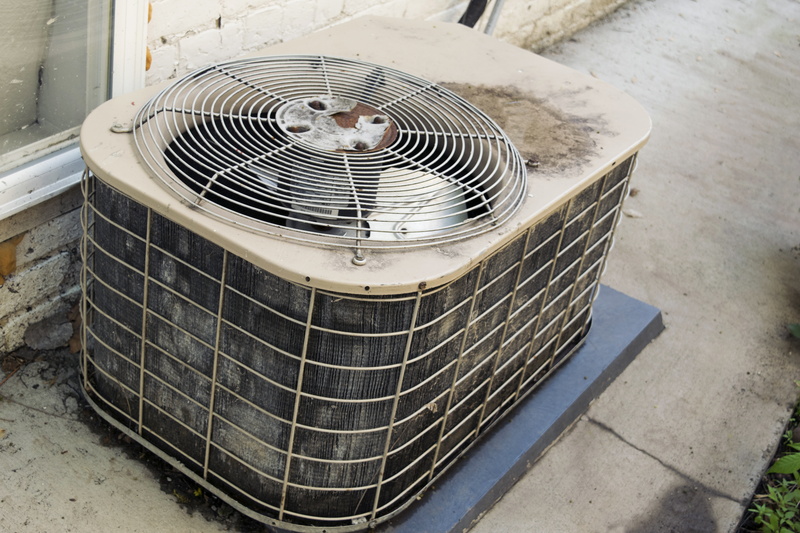
A central air system consists of several key components, including the outdoor unit, indoor unit, refrigerant lines, and air ducts. The outdoor unit, also known as the condenser unit, contains the compressor, condenser coil, and fan. This unit is responsible for releasing the heat absorbed from your home to the outside air. The indoor unit, also known as the evaporator unit, contains the evaporator coil, fan, and air handler. This unit absorbs heat from the indoor air, allowing the system to deliver cool, refreshing air throughout your home.
Refrigerant lines connect the outdoor and indoor units, allowing the refrigerant to flow between them and facilitate the cooling process. Proper installation of these components is crucial to ensure optimal cooling performance and energy efficiency. Additionally, factors such as existing ductwork, ductless mini splits, and central air conditioning installation must be considered to determine the best approach for your specific situation. Whether you are installing a new central air system or upgrading an existing one, choosing a new HVAC system can provide significant benefits, including improved energy efficiency and enhanced comfort. Ensuring that all components are correctly installed and maintained is essential for achieving reliable and efficient cooling.
How to Choose the Right Replacement AC Unit
Selecting the right AC unit is critical to ensure optimal cooling performance, energy efficiency, and indoor air quality. When choosing an AC unit, consider factors such as the size of your home, insulation, windows, and doors. A properly sized AC unit will provide efficient cooling and minimize energy bills. Additionally, consider the type of AC system, such as a central air conditioning system, ductless mini split, or heat pump. Each type has its advantages, and the best choice will depend on your specific needs and home layout.
It’s also essential to check the Seasonal Energy Efficiency Ratio (SEER) rating, which measures the cooling output divided by the energy consumed over a typical cooling season. A higher SEER rating indicates a more energy-efficient unit, which can lead to significant savings on your energy bills. By working with an experienced AC installer, you can ensure that your new AC unit meets your specific needs and provides optimal performance. A professional can also help you navigate the various options and make recommendations based on your home’s unique characteristics, ensuring you get the most efficient and effective cooling solution.
Can a New AC Improve Indoor Air Quality?
Maintaining excellent indoor air quality is just as important as keeping your home cool and comfortable. At Cheeky Heating, Cooling, & Plumbing, we understand that your air conditioner and entire HVAC system play a crucial role in filtering out airborne contaminants, managing humidity, and ensuring your family breathes clean, healthy air. That’s why we offer comprehensive indoor air quality services designed to address common issues like poor ventilation, excess humidity, and the presence of allergens or pollutants. Indoor air quality services include air duct cleaning to reduce allergens and dust, further enhancing the health and comfort of your home.
A properly functioning air conditioning system does more than just cool your home, it helps remove dust, pollen, and other particles from the air, while also controlling moisture levels that can lead to mold or mildew. If your current AC unit is struggling to keep up, or if you’ve noticed an increase in allergy symptoms or musty odors, it may be time to consider air conditioning replacement. Upgrading to a new, energy-efficient system can significantly improve your home’s air quality and help lower your energy bills at the same time.
Our experienced HVAC technicians are here to help you find the most cost-effective solutions for your unique needs. Whether you need air conditioning repair, heat pump services, or furnace repair, our team will ensure your equipment is running efficiently and contributing to a healthier indoor environment. We also recommend annual tune-ups and regular maintenance to keep your system operating at its best, prevent unexpected repairs, and extend the life of your investment.
Investing in professional indoor air quality services not only enhances your comfort but also protects your health and your budget. From advanced filtration systems to humidity control and routine maintenance, we offer a full range of services to help you achieve the highest air quality possible. Ready to breathe easier? Contact our team today to schedule a consultation and discover how we can help you create a cleaner, more comfortable home.
Signs It’s Time to Replace Your Air Conditioner
If you have not been happy with your current type of air conditioner, or are excited about new models or different cooling system options that are currently on the market, that is also an excellent reason for replacement. Many HVAC companies do not typically handle window AC units, focusing instead on central air systems and the necessary installations or upgrades that come with them. Perhaps you need a new heating system, and the idea of using a highly-efficient heat pump for both heating and cooling appeals to you. Or perhaps your ductwork has been deteriorating, and you’re interested in ductless AC systems as an alternative. A new AC system can enhance energy efficiency, indoor air quality, and overall comfort, while providing tailored services to ensure optimal operation and support. If warm air or limited airflow is coming from the vents, it could signify underlying issues with the AC system that warrant a replacement. We would be thrilled to share our enthusiasm for your many home cooling options, so reach out to us with your questions.
If you are considering the costs associated with installing a central air conditioning unit, we can provide insights into the varying prices based on different factors such as the model chosen and local labor costs. HVAC replacement costs can vary significantly depending on whether you are replacing a central air conditioning unit, gas furnace, or heat pump.
Frequently Asked Questions
Question: How do I know if my air conditioner is too old and should be replaced?
Answer: If your air conditioning unit is over 10, 15 years old and has seen regular use, it’s likely nearing the end of its efficient lifespan. Older units often lose efficiency, use outdated refrigerants, and require more frequent repairs.
Question: What are the signs that frequent repairs mean I should get a new AC instead of fixing the old one?
Answer: When you’re calling for repairs repeatedly within a year, or a single repair cost multiplied by your system’s age exceeds thresholds like $5,000, it may be more cost effective to replace the unit rather than keep repairing it.
Question: My energy bills are climbing even though I haven’t changed usage, is that a sign I need a new AC?
Answer: Yes. Rising energy bills despite similar usage often indicate your AC is running less efficiently. Older systems may consume more power to deliver the same cooling, so replacement can restore efficiency and lower costs.
Question: If my AC is still blowing cool air, do I still need to consider replacement?
Answer: Possibly. Even if it’s cooling, issues like uneven airflow, warm spots in the home, or reduced humidity control can mean the system is struggling and may be nearing the end of its effective life.
Question: What role does refrigerant type play in deciding whether to replace an AC unit?
Answer: Quite a bit. Older systems using refrigerants such as R-22 (Freon) face increasing costs and regulatory restrictions. If your unit uses an outdated refrigerant, replacement may be a smarter long term option.
To speak with a member of our team, contact DC Cheek Heating, Cooling & Plumbing today. Fixed, At the Speed of Life!

