Furnace Repair Needs: The Danger of a Cracked Heat Exchanger

December 30th, 2019

If your home is like most throughout the Roswell area and beyond, then you use a furnace for your heating needs. Most furnaces in the Des Moines area are used for home heating, and our company has extensive experience serving Des Moines homeowners. In addition to furnaces, we also service a variety of heating systems to ensure your home stays comfortable year-round.

Given that gas is so widely available, it’s very likely this heating system is gas-powered. In fact, most furnaces in Des Moines homes are gas-powered due to the local climate and fuel availability. A gas furnace produces a large amount of heat, and it does so at less expense than using an electric furnace, since natural gas costs less than electricity per unit.

However, there’s a potential hazard with using a gas furnace. We aren’t saying that to scare you, gas furnaces are not inherently dangerous, after all, especially with all the safety features built into today’s models. But older furnaces or furnaces that haven’t been well cared for over the years have one specific danger that needs to be watched for, a cracked heat exchanger.

Introduction to Furnace Replacement

Furnace replacement is a vital step in maintaining a comfortable and energy-efficient home, particularly in colder climates where reliable heating is essential. As gas furnaces and other heating systems age, their ability to efficiently produce heat diminishes, often resulting in rising energy bills and inconsistent comfort. Replacing an old furnace with a modern, energy efficient model can dramatically improve your home’s heating system, reducing both energy consumption and costs. With a variety of options available, including gas furnaces, electric furnaces, and heat pumps, selecting the right furnace for your home is crucial. An experienced HVAC technician can guide you through the furnace replacement process, helping you choose a cost effective solution that matches your heating needs and ensures your system operates at peak efficiency. Whether you’re dealing with an old furnace that struggles to keep up or simply want to upgrade to a more efficient system, replacing your furnace is an investment in comfort, efficiency, and long-term savings.

Continue Reading

Is Your Furnace Well Maintained?

December 16th, 2019
technician-looking-over-furnace

Surely, with the official start of winter just a week away, you’ve scheduled furnace maintenance, right?

If not, don’t worry, it’s not too late! In fact, it’s much better to schedule your furnace maintenance now, or even in the middle of winter, than to skip it altogether this year. This is particularly true if you have a gas furnace—skipping a tune-up in this case might not only leave your furnace at risk of operational problems, but expose you to safety issues as well.

Sure, it’s typically best to have this job done before temperatures drop to their coldest, and sometimes we can get cold snaps far before wintertime comes around, but if you’re reading this and haven’t scheduled your tune-up yet, please give us a call! In the meantime, read on to learn more about the importance of this service.

Continue Reading

“Is My HVAC Air Filter Enough to Clean My Air?”

December 2nd, 2019
couple-enjoying-interior-of-home

The very short answer to this is, “no.” But don’t worry, we’ll elaborate!

The air filter that comes standard with your HVAC installation is there for an important reason. Its function is to protect the HVAC system itself from dust, dirt, and other debris that can settle on its internal components and negatively impact the system’s efficiency and performance—costing you more money in the long run. This air filter certainly helps pull a little bit of dust and other contaminants from your indoor air, but this isn’t its intended purpose.

For more powerful air cleaning, you’ll want to consider the installation of a whole-house air purifier.

Continue Reading

7 Ideas To Save On Your Water Bill (And Use Less Water)

December 2nd, 2019

You already know how important it is that we all try to reduce our use of water. Our planet’s future depends on it! And, there are so many practical and surprisingly easy ways for us to do that.

So, here are seven really practical ways for you to conserve water in your home…

1. Monitor your water bills

Check your water bill each month and if it goes up try to figure out if there’s a good reason (filling the swimming pool). If it spikes and you don’t know why, you probably have a leak somewhere.

Seriously, the average home wastes more than 10,000 gallons of water a year from easily fixable plumbing leaks. It’s worth it to bring in a plumber if you suspect you have a leak but cannot find it.

2. Use the water meter to check for hidden water leaks

Go read your water meter and write down the number. Stop using water for two hours. Then go back to the meter. If it’s not at the exact same number, there’s a water leak in your house. If you can’t find it, call your home services company to send out a plumber.

3. Use every drop

Find ways to repurpose water so it doesn’t just go down the drain. For example, when you boil potatoes or pasta, pour that water through a colander and into another pot to capture the hot water. After it’s cooled, this water can be used for your household plants. You can do something similar whenever you run the tap and wait for hot water.

4. Use your dishwasher more

You might be surprised, but as it turns out washing dishes by hand uses a lot more water than running the dishwasher, and even more so if you have a newer more water-efficient model. Newer dishwashers will also adjust to use less water for smaller loads. (If you don’t have a newer dishwasher, see #7.)

5. Run full loads in your washing machine

You can adjust water levels to match the size of your load, but it’s even more water-efficient to run larger loads in your washing machine.

6. Cover your swimming pool

It takes a lot of water to fill your swimming pool and to keep it filled. In the summer sun, pools can lose an inch or more of water each week to evaporation. Getting a cover for your pool can save thousands of gallons of water each season. Make it a solar blanket and you can also reduce your heating cost. But this only works if you’re diligent about covering the pool when it’s not in use.

7. Install a new dishwasher

Newer dishwashers use as little as four to seven gallons per load—again that’s a lot less than washing by hand and much less than older dishwashers.

Summary

If we all work on conserving water, we can make a big difference. While taking these practical steps, be sure to contact a home services company if you need help finding a water leak or installing a new dishwasher.

Continue Reading

5 Tips to Extend the Life of Your HVAC System (& 1 Tip on When to Replace It)

November 22nd, 2019

Your home’s HVAC (Heating, Ventilation and Air Conditioning) system runs ‘round the clock, 24/7, all year long. You can’t expect it to last forever, but you can expect your furnace to last for about several years, depending on the model, you may get 15-20 years out of your furnace and 10-15 years out of your air conditioner. It’s a big investment to replace your furnace or air conditioner, so when the time comes, be sure to choose the right AC unit that fits your budget and cooling needs. Opting for an energy-efficient HVAC system with a high SEER rating, with a minimum of 15 SEER required in the southern U.S., can help lower your energy bills significantly. We have five tips for homeowners to extend the life of your HVAC system and cooling system. For more details on how long you can expect your furnace to last, read our guide.

1. Schedule two HVAC tune-ups per year

Contact a home services company to give your furnace a tune-up in the fall and your air conditioner a tune-up in the spring. This preventative maintenance usually includes a thorough inspection, cleaning, lubrication, and any necessary adjustments. Regular annual tune ups improve system efficiency and extend equipment life. (Save $20 on a Tune Up)

2. Change the air filter regularly

Disposable fiberglass filters should be replaced every 30 days, but check your filter and furnace manual to see how often you should be replacing the filter. A dirty filter forces your HVAC system to work harder to circulate air, causing extra wear on the system and higher energy bills. Regularly changing your air filter not only extends your system’s lifespan but also helps lower your monthly energy bills.

3. Clean your ducts

Be sure to keep the return air vents clean and prevent the build-up of dust and debris. You might also want to have your ducts professionally cleaned so that your system delivers the cleanest air possible. Maintaining your ductwork is essential for system efficiency and improving indoor air quality throughout your house. Additionally, ductwork quality should be evaluated to identify leaks and ensure proper sizing and insulation for optimal HVAC efficiency.

4. Give the HVAC system a break sometimes

Does your HVAC system really need to be running almost 24/7? Can you give it a break when you’re on vacation? On a cool evening, could you open the windows and give the AC the night off? You’ll be saving energy and giving the system a break, which reduces wear and tear on compressors and other components.

5. Upgrade your insulation

The better your home is insulated, the less your HVAC system will need to run to maintain the temperature. The first place to check for sufficient insulation is your attic. Proper insulation also helps control humidity and temperature throughout the house, making your cooling system more effective during hot and cold seasons.

When to Replace Your HVAC System

Even if you follow these tips and take good care of your HVAC system, eventually it will need to be replaced. Homeowners in Des Moines should consider local climate factors, such as hot summers and high humidity, when deciding on a new cooling system. If you’re approaching the projected end of life for the unit, replacing it with a new HVAC system is a cost-effective choice because you will be saving money with the new, more energy-efficient replacement. Replacing a central AC unit that’s more than 10 years old could save you 20% – 40% on cooling costs. But if you want to prolong the system as long as possible, contract with a reliable home services company for your annual tune-ups and then ask the experienced HVAC technicians for their input on when to replace. They can help determine if furnace repair, heat pump services, or a full replacement is needed for your project. If you’re unsure, here are signs your furnace may need repair or even replacement. Be honest with them about the maintenance you’ve carried out on the unit, even if that means confessing that sometimes you didn’t replace the air filter for a season or two. Hopefully, you can build trust with the HVAC team to get the best advice on when to replace your furnace or air conditioner.

Summary

Take good care of your HVAC system and it may last longer than the average lifespan, but also know when to replace it before it becomes unreliable or so inefficient that it’s costly to keep running. Professional indoor air quality services and regular maintenance of your cooling system, compressors, and ductwork can extend system life and improve comfort in your house. Research federal, state, and local tax credits or rebates for installing energy-efficient HVAC equipment. If your system is already struggling, find out what to replace it with for optimal performance and efficiency. Don’t hesitate to request a quote or consultation for your next heating and air conditioning installation project or job, and remember that a professional installation by experienced technicians is key for the best results.

Common Issues That Can Shorten Your HVAC System’s Lifespan

While regular maintenance is key to keeping your HVAC system running efficiently, several common issues can dramatically reduce its lifespan and lead to unexpected air conditioning replacement or costly repairs. One of the biggest culprits is poor system efficiency, often caused by neglecting essential maintenance tasks like annual tune-ups or timely filter changes. When your air conditioner or heating system has to work harder due to clogged filters or dirty components, it not only drives up your energy bills but also puts unnecessary strain on the equipment, increasing the risk of breakdowns and expensive repairs.

Another major factor is improper installation. If your AC installation wasn’t handled by experienced HVAC technicians, you could be facing a host of problems, from reduced system efficiency to frequent malfunctions. Professional installation ensures your air conditioning or heating system is correctly sized and set up to meet your home’s unique cooling needs, which is especially important in central Iowa’s ever-changing climate. An incorrectly sized or poorly installed system can lead to uneven temperatures, higher energy costs, and a much shorter system lifespan.

It’s also important not to ignore warning signs from your HVAC system. Strange odors, unusual noises, or warm air blowing from your vents can all indicate underlying issues that, if left unchecked, can cause serious damage. Prompt air conditioning repair by qualified professionals can help fix these problems early, protecting your investment and maintaining high indoor air quality.

Outdated or old equipment is another common issue. Older air conditioners and heating systems are typically less energy efficient and more prone to frequent repairs. Upgrading to a new HVAC system with modern, energy-efficient technology can be a cost-effective solution, especially when you take advantage of financing options and labor warranties offered by reputable service providers. Not only will you enjoy lower energy bills, but you’ll also benefit from improved comfort and reliability.

In central Iowa, where heating and cooling systems work hard year-round, it’s crucial to choose services that offer annual tune-ups, experienced technicians, and comprehensive maintenance plans. Whether you’re a homeowner or a business owner, investing in regular checks and professional care can help you avoid premature system failure, extend the life of your equipment, and ensure your home stays comfortable no matter the season.

By staying proactive and addressing these common issues, you’ll save money on repairs and replacements while enjoying better air quality, greater system efficiency, and peace of mind knowing your HVAC system is running at its best. If you notice anything unusual or think your system isn’t running efficiently, don’t hesitate to contact a trusted HVAC team for a thorough inspection and expert advice tailored to your needs.

Continue Reading
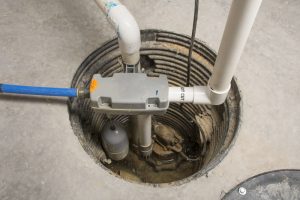
Is Your Sump Pump in Good Shape?

November 18th, 2019
sump-pump-system

There are some parts of the country where homeowners have never even heard the term “sump pump” let alone do they know what it is. They don’t need to know, after all—their home may be in a position where flooding is just not a concern.

Unfortunately, we’re not in that part of the country! Sump pumps are common in our area, and very often necessary. Winter and spring are times for heavy rains, and then as we get later in the year we also have tropical storm conditions to contend with—that can send floodwaters right into your home.

The question is, is your sump pump in good condition to handle this?

Continue Reading

Now Hiring: Master Plumber

November 11th, 2019
dc-cheek-company-logo

DC Cheek Heating & Cooling is now hiring a Master Plumber.

  • Applicants must have a current driver’s license and a good driving record as they will be driving a company vehicle to customer’s homes and businesses.
  • Must possess own tools necessary to complete a plumbing diagnosis and repair.
  • Must be willing to pursue, develop and participate in continuing education.

If interested, please fill out the form on our Careers page.

Continue Reading

It’s Time for Furnace Maintenance!

November 4th, 2019
technician-servicing-furnace

We may be known for our hot and humid summers, but that doesn’t mean our winters don’t pack quite the punch as far as weather is concerned. As temperatures begin to cool off, we’re almost ready to start using our furnaces on a daily basis. As such, you should be scheduling your professional preventive maintenance if you haven’t yet.

It’s definitely a good idea to have this job completed before the chillier weather arrives—and that can happen before the official start of winter. Read on to learn about the many benefits of scheduling furnace maintenance, and give our team a call when you’re ready to schedule your tune-up.

Continue Reading

Don’t Let These Heating Noises Haunt You

October 21st, 2019
woman-on-grey-background-looking-shocked

It’s Halloween season—you’re in your home and you hear a strange rattling, or perhaps a shrieking noise. It’s not quite trick-or-treating time so you can’t blame it on little kids at your doorstep. Could it be that your house is haunted?!

Okay, probably not. Is your heater on? That’s likely a more realistic explanation for the sounds you’re hearing.

But just because it’s a more reasonable explanation doesn’t mean it’s an acceptable explanation. Your heater shouldn’t be making strange or unfamiliar sounds, and if it is it definitely means something is amiss and needs repair. So what sounds, exactly, should you listen for? Read on!

Continue Reading

7 Easy Ways for You to Start Saving on Your Water Consumption

October 18th, 2019

In America we’re used to have running water readily available and in seemingly endless supply, but the long-running drought in California and water restrictions in western states should tell us otherwise. There is a finite supply of water and though water is a renewable resource the amount of clean drinking water is declining. We can all help out by using less water (and paying less). These seven ways to conserve water at home are very practical and some are surprisingly easy.

1. Turn off faucets

How often do you let faucet water run needlessly as you wash or rinse dishes, wash your hands or face, brush your teeth or shave? Your bathroom faucet runs at about two gallons of water per minute. Turn off that tap while you brush your teeth and shave, and you’ll save hundreds of gallons a month.

2. Shorten showers

An older showerhead can put out as much as 5 gallons of water per minute. Install a new low-flow showerhead to bring that down to 2.5 gallons and then cut your shower time in half and you will have reduced your shower water use by 75 percent!

3. Fix leaks

Even a slow drip from a leaking faucet can waste as much as 20 gallons of water a day. A leaking toilet can waste 200 gallons a day! (To check your toilet for a leak, put several drops of food coloring in the tank. If that color shows up in the bowl without flushing, you have a leak.)

4. Go to a car wash

Instead of washing your car at home with the hose, go to a gas station car wash that will use less water and recycle it.

5. Install low-flow or dual-flush toilet

Replace an old toilet with a new ultra-low volume (ULV) 1.6 gallon flush toilet to use up to 70 percent less water. That could reduce your total indoor water use by 30 percent! Another option is a dual-flush toilet that could use as little as 1 gallon for the low-level flush.

6. Replace your old water heater with a tankless hot water heater

A tankless water heater only heats water when you need it. And when you need hot water, the supply is ongoing… so no more worrying about being the last one to take a morning shower. You’ll save about $80 a year in water heating bills.

7. Upgrade to a High Efficiency (HE) washing machine

Today HE washing machines use as little as 7 gallons per load. That’s a lot less than your old washing machine that could be using up to 54 gallons! Newer Energy Star-rated washers use less water and 50 percent less energy.

Summary

None of these are particularly hard to do, but act on a few of them (or all of them) and you could conserve a lot of water—and lower your monthly bills. Some of these are do-it-yourself projects, but a home services company could help you with any of these projects that require a professional

Continue Reading